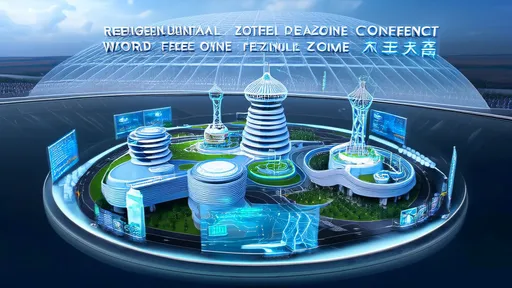
Against the backdrop of the South China Sea's shimmering waters, Hainan stands as a testament to China's ambitious economic transformation. The tropical island, once primarily known for its tourist attractions, has now emerged as a global benchmark for free trade zones, drawing international attention at the recent World Free Zones Organization (World FZO) conference. The event served as a platform to showcase China's distinctive approach to economic liberalization, offering valuable insights into how developing economies can leverage special economic zones for sustainable growth.
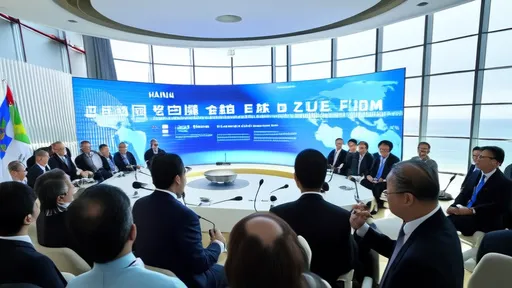
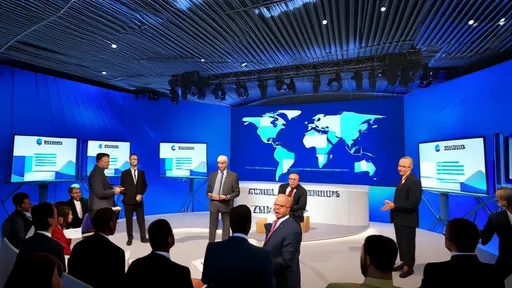
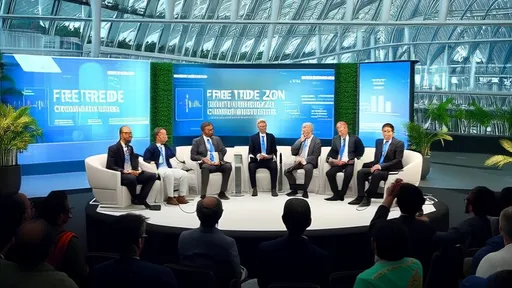
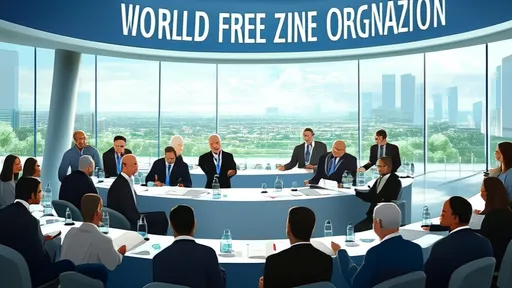
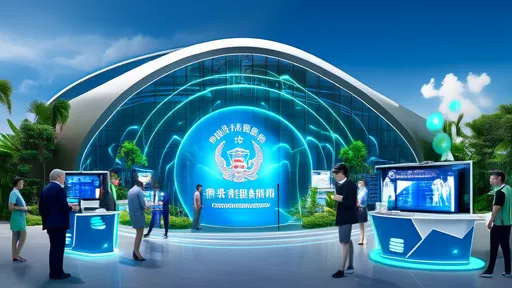
The World FZO conference, held in a hybrid format with significant participation from global trade experts, policymakers, and business leaders, highlighted Hainan's remarkable journey from a provincial island to an internationally recognized free trade port. What sets Hainan apart is not merely its policy framework but the comprehensive ecosystem that has been carefully cultivated over years of strategic planning. The Chinese experience, as presented at the conference, demonstrates how free zones can serve as catalysts for broader regional development when integrated with national economic strategies.
Hainan's transformation represents more than just economic liberalization; it embodies China's vision for a new development paradigm. Unlike traditional free zones that focus predominantly on manufacturing or specific sectors, Hainan has adopted a holistic approach encompassing trade, investment, tourism, and environmental sustainability. This multidimensional strategy has enabled the island to create synergies between different economic activities while preserving its unique ecological and cultural heritage. The conference presentations emphasized how this integrated model could serve as a blueprint for other developing regions seeking to balance economic growth with environmental conservation.
One of the most discussed aspects at the World FZO gathering was Hainan's innovative governance structure. The island has implemented what experts are calling a "whole-process optimization" approach to administrative procedures, significantly reducing bureaucratic hurdles for businesses while maintaining robust regulatory standards. This delicate balance between facilitation and supervision has been crucial in attracting high-quality investments while preventing the pitfalls that have plagued some free zones elsewhere. International delegates expressed particular interest in how Hainan managed to streamline customs procedures without compromising security and compliance requirements.
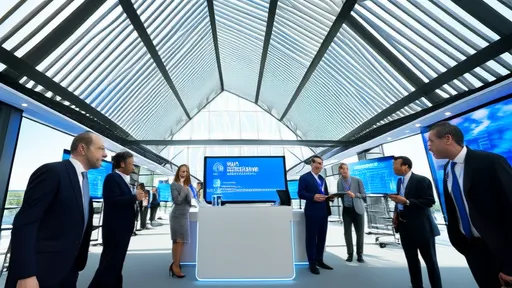
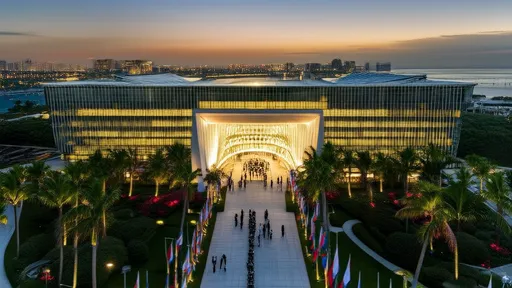
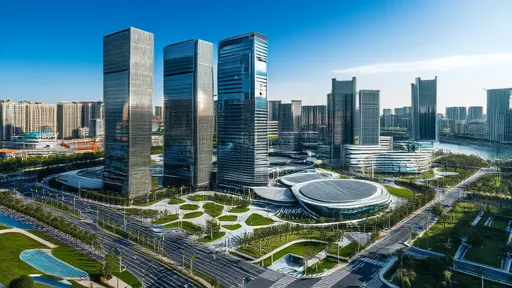
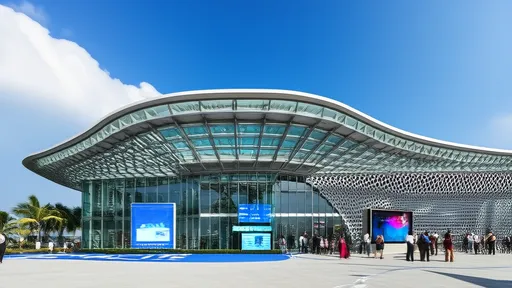
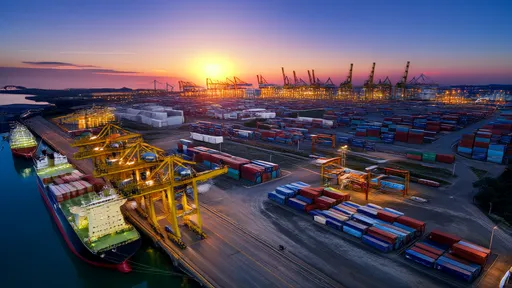
The island's success in creating a business-friendly environment extends beyond mere policy announcements. Conference participants learned about the tangible infrastructure developments that have supported Hainan's rise as a free trade hub. From state-of-the-art port facilities to digital trade platforms, the physical and technological foundations have been carefully aligned with the zone's strategic objectives. What impressed many international observers was how rapidly these infrastructures were developed and integrated into the global supply chain network, demonstrating China's characteristic efficiency in executing large-scale projects.
Human capital development emerged as another critical theme during the conference discussions. Hainan's strategy includes not only attracting international talent but also systematically upgrading the skills of its local workforce. Educational institutions have been established or upgraded to provide specialized training in areas crucial to the free trade port's operations, from logistics management to international trade law. This focus on human resource development ensures that the benefits of economic liberalization extend beyond corporate profits to create meaningful employment opportunities and career advancement for local residents.
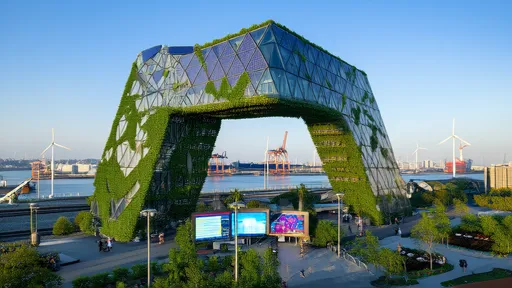
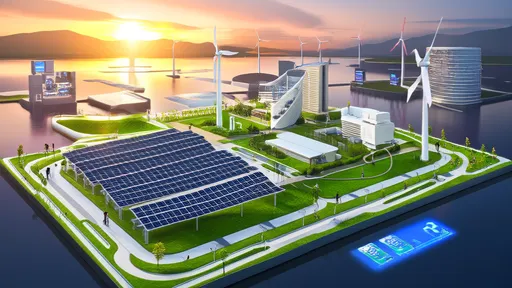
Environmental sustainability has been woven into the fabric of Hainan's development model, distinguishing it from many earlier free zone initiatives. Conference presentations detailed how ecological conservation measures were integrated with economic development plans from the outset. Strict environmental standards for incoming investments, coupled with initiatives to preserve the island's natural beauty, have created what participants described as a "green free zone" model. This approach has not only protected Hainan's valuable ecosystems but has also enhanced its appeal to quality-conscious investors and tourists alike.
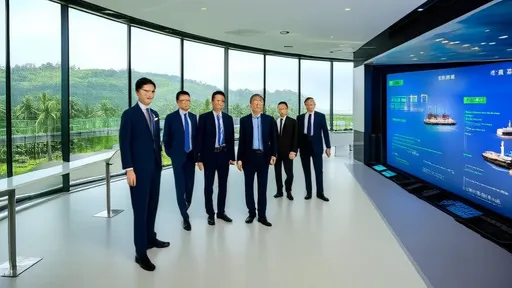
The digital transformation of Hainan's free trade operations captured significant attention at the international gathering. The island has pioneered the use of blockchain technology in trade facilitation, creating a transparent and efficient system for documentation and verification. This technological advancement has reduced processing times while enhancing security, addressing two common challenges in traditional free zones. Several delegates from developing nations expressed interest in adopting similar digital solutions in their own special economic zones.
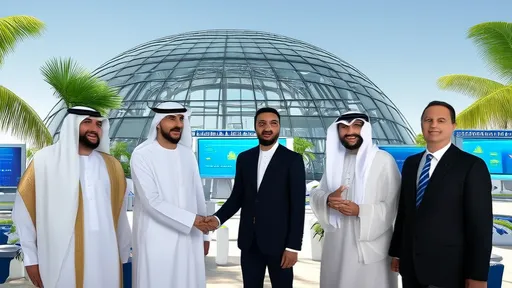
International cooperation forms a cornerstone of Hainan's strategy, as evidenced by its growing network of partnerships with other free zones worldwide. The conference served as a platform for announcing new collaborative initiatives between Hainan and similar zones in Southeast Asia, Africa, and Latin America. These partnerships focus on knowledge sharing, joint investment promotion, and the development of complementary supply chains. The spirit of mutual learning and cooperation displayed at the event underscored China's commitment to making globalization work for all participants.
Financial innovation has been another area where Hainan has broken new ground. The free trade port has introduced pioneering financial services tailored to the needs of international businesses, including cross-border yuan settlements and specialized insurance products for trade activities. These financial innovations have reduced transaction costs and mitigated risks for companies operating in the zone, addressing practical concerns that often hinder free zone effectiveness elsewhere. Banking and financial service providers from multiple countries have established presence in Hainan, creating a diverse and competitive financial ecosystem.
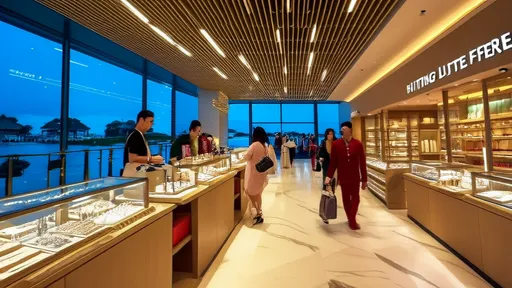
The tourism and healthcare sectors have emerged as unexpected beneficiaries of Hainan's free trade port status. By leveraging its natural advantages in these areas, the island has developed integrated offerings that combine medical services with tourism experiences. This innovative approach has attracted international healthcare providers and created new market segments that didn't previously exist. Conference participants noted how this demonstrated the potential for free zones to catalyze innovation in service industries, not just traditional manufacturing sectors.
Looking ahead, Hainan's experience offers valuable lessons for the future evolution of free zones globally. The island's success suggests that the next generation of special economic zones will need to be more integrated, sustainable, and digitally enabled to remain competitive. More importantly, Hainan demonstrates how free zones can serve as testing grounds for broader economic reforms, providing valuable insights before policies are rolled out at the national level. This experimental approach allows for careful calibration and refinement based on real-world results.
The World FZO conference ultimately served to validate Hainan's approach while facilitating global knowledge exchange. As delegates returned to their respective countries, they carried with them not just policy documents but practical insights into implementing successful free zone strategies. The Chinese experience, as embodied by Hainan, contributes to the global repository of knowledge about economic development through special zones. More significantly, it demonstrates how developing economies can adapt and improve upon existing models to create solutions tailored to their specific contexts and aspirations.
Hainan's journey from a tropical paradise to a global free zone exemplar continues to evolve, with new chapters being written even as international observers study its progress. The island's experience reaffirms that economic liberalization, when carefully designed and implemented, can create win-win outcomes for investors, local communities, and the environment. As more regions look to establish or upgrade their own special economic zones, Hainan's comprehensive approach offers a compelling reference point that balances economic objectives with broader social and environmental considerations.
By /Oct 10, 2025
By /Oct 10, 2025
By /Oct 10, 2025
By /Oct 10, 2025
By /Oct 10, 2025
By /Oct 10, 2025

By /Oct 10, 2025
By /Oct 10, 2025
By /Oct 10, 2025
By /Oct 10, 2025
By /Oct 10, 2025
By /Oct 10, 2025

By /Oct 10, 2025
By /Oct 10, 2025
By /Oct 10, 2025
By /Oct 10, 2025
By /Oct 10, 2025
By /Oct 10, 2025
By /Oct 10, 2025
By /Oct 10, 2025
