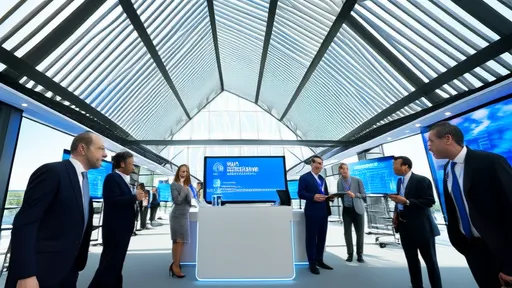
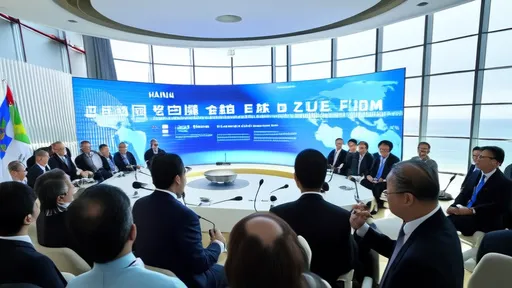
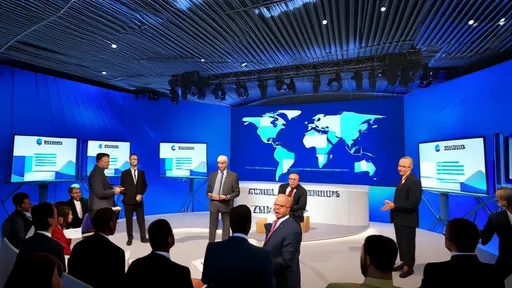
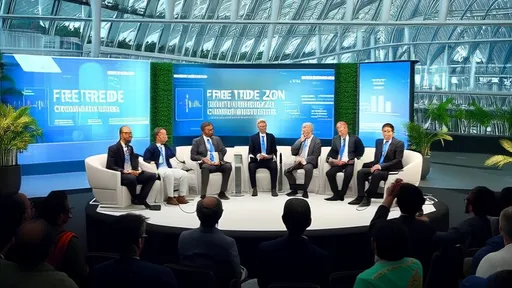
The Free Zones Congress convened its annual parallel session this week, bringing together policymakers, industry leaders, and sustainability experts to examine the evolving relationship between global trade connectivity and sustainable development. Against a backdrop of increasing climate concerns and supply chain disruptions, the discussions revealed a fundamental shift in how international trade corridors are being reimagined for the 21st century.
Opening the session, Dr. Elena Martinez, Chair of the International Trade and Sustainability Council, set the tone by emphasizing that the traditional dichotomy between economic growth and environmental protection is no longer tenable. "We stand at a critical juncture where trade infrastructure must serve dual purposes: facilitating efficient movement of goods while actively contributing to environmental regeneration," she stated, receiving nods of agreement from delegates representing over forty countries.
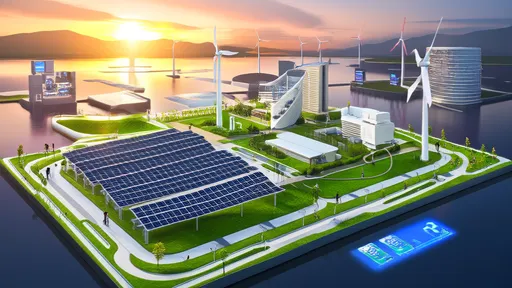
The first panel explored how free zones are transforming from mere tax-advantaged enclaves into hubs of sustainable innovation. Singapore's Jurong Port Free Zone emerged as a case study in this transformation, having implemented a comprehensive solar energy network that not only powers its own operations but supplies clean electricity to adjacent communities. "What began as an operational efficiency measure has become a core component of our value proposition," shared CEO Michael Tan. "Companies now choose locations based not just on fiscal benefits, but on sustainability credentials."
Another compelling example came from the Rotterdam Sustainable Manufacturing Zone, where a closed-loop water system has reduced freshwater consumption by eighty percent while creating new business opportunities in water recycling technology. The zone's director, Ingrid van der Berg, noted that sustainability investments are increasingly viewed as competitive advantages rather than compliance costs. "Our member companies report that their green manufacturing processes have become unique selling points in international tenders," she observed.
Digitalization emerged as a recurring theme throughout the discussions, with multiple speakers highlighting how technology is enabling both greater connectivity and reduced environmental impact. The implementation of blockchain for supply chain transparency, IoT sensors for energy optimization, and AI-driven logistics planning were cited as examples of how digital tools are creating smarter, more efficient trade corridors. "We're moving beyond paperless trade to what I call 'conscious trade' - systems that are not just efficient but intentionally designed to minimize ecological footprints," commented technology strategist David Chen.
The conversation took an interesting turn when representatives from developing economies shared their perspectives. While acknowledging the importance of sustainability, they emphasized the need for balanced approaches that don't stifle economic development. "Our free zones must create jobs and generate revenue while building sustainable infrastructure," argued Kenya's Trade Minister Aisha Okoth. "This requires international support and technology transfer, not just expectations." Her comments sparked a broader discussion about global equity in the sustainability transition, with several European delegates pledging increased support for green technology sharing.
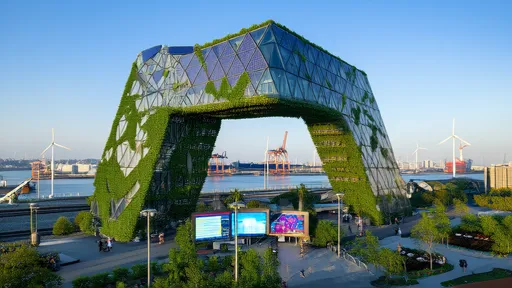
Infrastructure development formed another critical discussion thread, with particular focus on how transportation networks are being reengineered for sustainability. The Northern German Green Corridor initiative illustrates this trend, combining electric truck charging stations with hydrogen refueling facilities along major transport routes connecting free zones. "We're creating an ecosystem where clean transportation becomes the obvious choice, not a compromise," explained project lead Klaus Richter. Early results show a thirty percent reduction in emissions from corridor traffic despite increased trade volumes.
Perhaps the most forward-looking session examined the concept of "circular free zones" - industrial areas designed around waste-free principles where one company's byproducts become another's raw materials. The Kalundborg Symbiosis in Denmark, though not technically a free zone, served as inspiration for several speakers. "Imagine applying these principles to special economic zones globally," proposed circular economy expert Maria Santos. "We could transform trade from an extractive linear process to a regenerative circular system."
Financing these transitions emerged as a significant challenge, though innovative solutions are emerging. Green bonds specifically for trade infrastructure, sustainability-linked loans with interest rates tied to environmental performance, and public-private partnerships were all discussed as mechanisms to fund the necessary transformations. "The capital exists - what we need are bankable projects with clear sustainability metrics," asserted investment banker James Fitzgerald, pointing to growing investor appetite for infrastructure projects with strong ESG credentials.
Workforce development received considerable attention, with multiple speakers emphasizing that the transition to sustainable trade requires new skills and training programs. The Middle East's several free zones have launched joint initiatives to train workers in green technologies, while European zones are collaborating with technical institutes to develop specialized sustainability curricula. "We're not just rebuilding infrastructure - we're rebuilding human capital for a new era of trade," noted education specialist Fatima Al-Jaber.
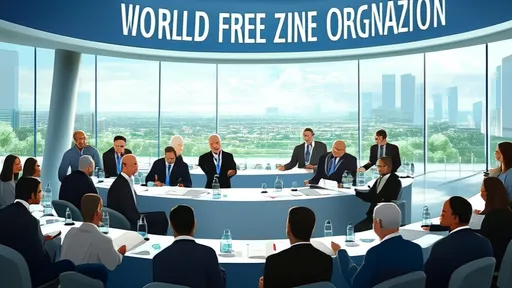
The final session tackled policy frameworks and international cooperation. While individual free zones can make progress, speakers agreed that truly transformative change requires coordinated action. The potential for "green trade agreements" with sustainability standards, mutual recognition of environmental certifications, and harmonized carbon accounting methods were all proposed as areas for international collaboration. "We have the opportunity to create a new global consensus on what constitutes responsible trade," concluded Dr. Martinez in her closing remarks. "The work happening in free zones today could define global standards tomorrow."
As delegates departed, the prevailing sentiment was one of cautious optimism. The challenges are significant - from financing gaps to technological hurdles to political will - but the direction of travel appears clear. Trade connectivity and sustainability, once seen as competing priorities, are increasingly recognized as mutually reinforcing objectives. The free zones leading this integration are not only future-proofing their operations but potentially charting a course for the global economy.
The conversations at this year's parallel session suggest that we may be witnessing the early stages of a fundamental reimagining of international trade's role in our collective future. As one delegate aptly summarized: "We're moving from free trade zones to future-proof zones." The transformation will require sustained effort and international cooperation, but the foundation is being laid for a trading system that connects markets while healing the planet.
By /Oct 10, 2025
By /Oct 10, 2025
By /Oct 10, 2025
By /Oct 10, 2025
By /Oct 10, 2025
By /Oct 10, 2025

By /Oct 10, 2025
By /Oct 10, 2025
By /Oct 10, 2025
By /Oct 10, 2025
By /Oct 10, 2025
By /Oct 10, 2025
By /Oct 10, 2025
By /Oct 10, 2025
By /Oct 10, 2025
By /Oct 10, 2025
By /Oct 10, 2025
By /Oct 10, 2025
By /Oct 10, 2025
By /Oct 10, 2025
