The global economic landscape witnessed a transformative moment this week with the official launch of the Sustainable Free Zone Certification Programme, a landmark initiative poised to redefine the environmental and social footprint of special economic zones worldwide. Spearheaded by a coalition of international trade bodies, environmental organizations, and leading free zone authorities, the programme establishes the first globally recognized standard for sustainability within these critical hubs of commerce and industry. For decades, free zones have been celebrated as engines of economic growth, offering businesses streamlined regulations, tax incentives, and logistical advantages. However, their concentrated industrial activity has often come with a significant environmental cost, from high energy consumption and carbon emissions to resource depletion and waste management challenges. This new certification scheme aims to pivot this narrative, transforming free zones from potential ecological liabilities into beacons of green innovation and responsible practice.
The genesis of the programme lies in a growing consensus among policymakers, investors, and corporate leaders that long-term economic resilience is inextricably linked to environmental stewardship and social equity. The old paradigm of growth at any cost is no longer tenable, and the pressure is mounting on all sectors to demonstrate tangible commitments to the United Nations Sustainable Development Goals. Free zones, which host thousands of companies and facilitate a substantial portion of global trade, represent a powerful leverage point. By incentivizing and certifying sustainability at the zone level, the programme creates a ripple effect, compelling the individual tenant companies to elevate their own environmental, social, and governance (ESG) standards. This systemic approach is far more efficient than attempting to regulate or influence each company in isolation, offering a scalable model for rapid, large-scale impact.
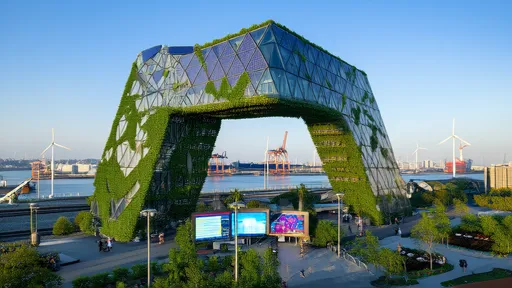
The certification framework itself is both rigorous and comprehensive, built upon a multi-pillar structure that assesses a free zone's performance across a spectrum of sustainability criteria. The environmental pillar is, understandably, a cornerstone of the assessment. It mandates a detailed audit of energy consumption, with a strong emphasis on the transition to renewable sources such as solar, wind, and geothermal. Certified zones must demonstrate a clear and actionable roadmap for achieving net-zero carbon emissions, incorporating energy-efficient building designs, smart grid technologies, and robust monitoring systems. Water stewardship is another critical component, requiring zones to implement advanced water recycling and harvesting systems to minimize their draw on local freshwater resources. Furthermore, the framework enforces strict waste management protocols, advocating for a circular economy model where waste is minimized, and materials are reused, repurposed, or recycled to the greatest extent possible.
Beyond the immediate environmental metrics, the programme places a significant emphasis on the social and economic dimensions of sustainability. This holistic view recognizes that a truly sustainable zone must also be a thriving community. The social pillar evaluates factors such as labor standards, health and safety protocols, community engagement, and the promotion of diversity and inclusion within the zone's workforce. It encourages the development of amenities and services that benefit not just the companies but also the employees and the surrounding local communities, fostering a sense of shared value and well-being. The economic pillar, meanwhile, assesses the zone's contribution to a resilient and innovative local economy. This includes supporting small and medium-sized enterprises (SMEs), fostering green industries and cleantech startups, and building local supply chains that create stable, high-quality jobs. The certification thus becomes a badge of honor, signaling to the world that the zone is not only a profitable place to do business but also a responsible and forward-thinking partner.
The launch has been met with widespread acclaim from a diverse array of stakeholders. Several pioneering free zones across Asia, Europe, and the Middle East have already enrolled as founding participants, committing to the arduous but rewarding journey toward certification. "This is not a box-ticking exercise," remarked the managing director of a major European logistics hub currently undergoing the assessment. "It is a fundamental strategic realignment. We are re-engineering our infrastructure, our energy contracts, and our tenant engagement strategies. The initial investment is substantial, but the long-term benefits—from reduced operational costs and enhanced brand reputation to attracting a new generation of sustainability-focused tenants—are undeniable." Investors, too, are taking note. Major institutional funds with ESG mandates are now viewing certified sustainable free zones as lower-risk, higher-potential assets, likely directing capital flows towards these accredited locations in the years to come.
Of course, the path to global adoption is not without its challenges. For free zones in developing economies, the upfront capital required for the necessary infrastructure upgrades can be a formidable barrier. The programme architects have acknowledged this and are working with multilateral development banks and green financing institutions to create tailored funding mechanisms and technical assistance packages. Another challenge lies in the varying regulatory environments and national priorities across different countries. The programme's framework is designed to be adaptable, providing a robust global standard while allowing for regional nuances and different starting points on the sustainability journey. The ultimate goal is to create a race to the top, where free zones compete not just on cost and logistics, but on their green credentials and social impact.
The implications of this initiative extend far beyond the fences of the free zones themselves. By creating a transparent and verifiable standard, the programme provides multinational corporations with a powerful tool for greening their global supply chains. A company can now prioritize locating its manufacturing or distribution facilities in a certified sustainable free zone, thereby instantly elevating the sustainability profile of its operations in that region. This, in turn, simplifies ESG reporting and helps corporations meet their own publicly stated climate and sustainability targets. The certification acts as a trust mark, assuring businesses and consumers alike that goods produced or handled within these zones adhere to the highest standards of environmental and social responsibility.
In conclusion, the launch of the Sustainable Free Zone Certification Programme marks a pivotal shift in the philosophy of global trade and economic development. It moves the conversation from a narrow focus on efficiency and profit to a broader, more resilient model of value creation that encompasses planetary health and human well-being. This is not a niche environmental project; it is a mainstream economic strategy for the 21st century. As the programme gains momentum, it has the potential to catalyze a green industrial revolution, transforming the world's free zones from isolated enclaves of commerce into integrated, sustainable ecosystems that power growth while protecting the planet for future generations. The journey toward a truly sustainable global economy is long, but with this ambitious new standard, one of its most powerful engines has finally been pointed in the right direction.
By /Oct 10, 2025
By /Oct 10, 2025
By /Oct 10, 2025
By /Oct 10, 2025
By /Oct 10, 2025

By /Oct 10, 2025

By /Oct 10, 2025
By /Oct 10, 2025
By /Oct 10, 2025
By /Oct 10, 2025
By /Oct 10, 2025

By /Oct 10, 2025

By /Oct 10, 2025

By /Oct 10, 2025

By /Oct 10, 2025
By /Oct 10, 2025

By /Oct 10, 2025
By /Oct 10, 2025
By /Oct 10, 2025
By /Oct 10, 2025
