Plant Mutual Aid Network: Damaged Trees Transfer Nutrients Through Mycorrhizal Connections"

Aug 18, 2025 By

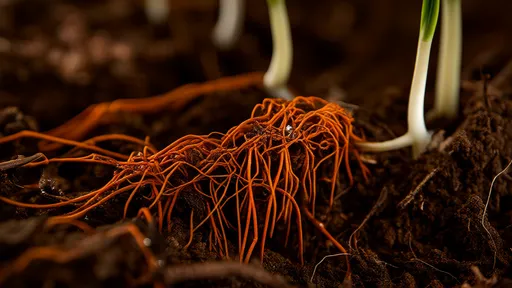
In the quiet depths of ancient forests, a silent conversation unfolds beneath our feet. Trees, long perceived as solitary sentinels of the woodland, are now understood to participate in an intricate underground network of mutual aid—a phenomenon that challenges our fundamental understanding of plant intelligence and ecological interdependence. This revelation comes not from the leaves or branches, but from an invisible web of fungal threads that transforms individual trees into a cooperative community.

The discovery centers around mycorrhizal networks—vast subterranean systems where fungal filaments intertwine with tree roots to form symbiotic relationships. For decades, scientists recognized these networks as nutrient exchange systems, where trees trade sugars for minerals with their fungal partners. But groundbreaking research now reveals something far more extraordinary: these fungal pathways serve as conduits for trees to redistribute resources to distressed neighbors, even between different species. A wounded maple might receive carbon from a healthy oak; a shaded fir could draw nitrogen from a sunbathed pine. The forest, it seems, operates as a single living organism.

This arboreal solidarity manifests most dramatically when trees face injury or disease. Ecologists have documented cases where a tree attacked by insects will release defensive chemicals through its roots into the mycorrhizal network, effectively warning nearby trees to bolster their own defenses. More astonishing still, healthy trees have been observed diverting precious nutrients—sometimes up to 40% of their photosynthetic output—through fungal connections to support severely injured specimens that can no longer feed themselves. The nutrients appear to flow preferentially toward the most vulnerable individuals, following patterns that suggest an unrecognized form of arboreal altruism.

The mechanisms behind this phenomenon involve sophisticated biological signaling. When a tree's foliage is damaged, it releases volatile organic compounds that trigger changes in root exudates—the chemical cocktails secreted into the soil. These altered exudates stimulate the mycorrhizal fungi to modify their growth patterns, essentially rerouting nutrient flows toward the distressed tree. The fungi appear to act not merely as passive pipes, but as active participants in resource distribution, potentially benefiting from maintaining the overall health of their photosynthetic partners.

This underground economy operates on astonishing scales. A single mature tree might be connected to hundreds of others through thousands of fungal linkages, creating networks that can span entire forests. Scientists using isotopic tracing have mapped resource movements across surprisingly large distances, with nutrients sometimes traveling 30 meters or more from donor to recipient trees. The speed of transfer contradicts conventional models of passive diffusion, suggesting active transport mechanisms that remain poorly understood.

The implications of this discovery ripple through multiple disciplines. For ecologists, it demands a reevaluation of forest dynamics—competition between trees exists alongside profound cooperation. Conservation strategies may need to account for these networks when managing woodlands, as clear-cutting could disrupt vital connections beyond the visible damage. Even our philosophical understanding of intelligence undergoes challenge, as the forest demonstrates problem-solving capacities and memory (injured trees receive more aid during subsequent attacks) without anything resembling a nervous system.

Perhaps most remarkably, this phenomenon appears particularly developed in old-growth forests. Ancient mother trees—the largest, oldest specimens in the woodland—often serve as hubs in these networks, their extensive root systems supporting dozens of younger trees. When these elders are removed, studies show decreased survival rates among seedlings, suggesting that forests preserve institutional knowledge through these living libraries. The time scales involved dwarf human experience; some mycorrhizal networks may have persisted for thousands of years, quietly sustaining entire ecosystems across centuries.

As climate change stresses global forests, understanding these hidden support systems becomes urgent. Drought-stricken trees might survive through communal water sharing; pest-resistant species could bolster more vulnerable neighbors. Some researchers speculate that assisted migration—the human-mediated movement of species to new habitats—might require transplanting not just trees but their fungal partners to maintain these critical networks. What appears as independent organisms standing in solitude above ground reveals itself below as a tapestry of connection, reminding us that in nature, as in human society, survival often depends on the strength of invisible bonds.

The revelation of the "wood wide web," as some scientists poetically term it, transforms our perception of forests from collections of individuals to superorganisms with collective intelligence. These findings humble our technological arrogance—the most sophisticated internet pales against networks refined through 400 million years of coevolution. As we continue to unravel the mysteries of these subterranean conversations, we're forced to reconsider not just how forests function, but what it means to be an individual in a living world where everything is connected.
Recommend Posts
Biology

Ecological Corridor in Cities: Design of Insect Passages for Highways"

By /Aug 18, 2025

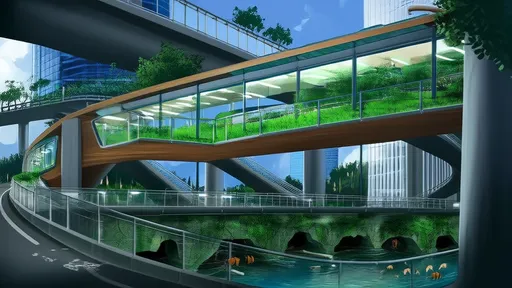
In the heart of bustling urban landscapes, where concrete jungles dominate, a quiet revolution is taking place. Cities around the world are reimagining their infrastructure to accommodate not just human needs but also the delicate ecosystems that coexist within them. One such innovation gaining traction is the concept of ecological overpasses—specifically designed insect corridors spanning highways. These structures, often overlooked in traditional urban planning, are proving to be vital in preserving biodiversity and maintaining ecological balance.
Biology

Doomsday Vault" Seeds: Everest Seed Bank to Combat Climate Disasters

By /Aug 18, 2025

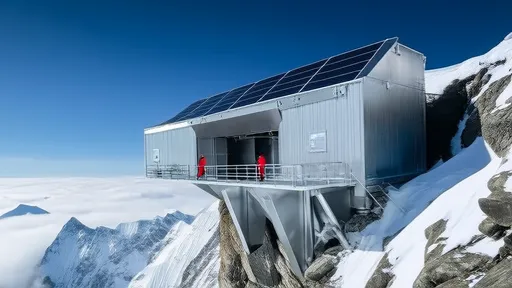
Deep inside the permafrost of a remote Arctic mountain, the Global Seed Vault has long served as humanity's ultimate insurance policy against agricultural catastrophe. But as climate change accelerates, scientists are looking beyond the Arctic Circle to an unlikely new fortress for biodiversity: the slopes of Mount Everest.
Biology

DNA Environmental Detective": Soil Samples Trace Poachers' Footprints

By /Aug 18, 2025

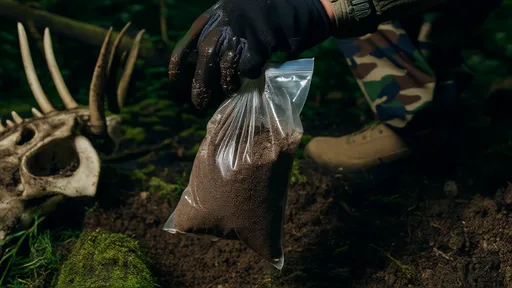
In the ongoing battle against wildlife crime, conservationists are turning to an unlikely ally in their forensic toolkit – the very dirt beneath our feet. Soil samples containing environmental DNA (eDNA) are emerging as powerful forensic evidence that could help trace poachers back to crime scenes with unprecedented accuracy.
Biology

Campus Insect Hotel": Urban Biodiversity Monitoring Program

By /Aug 18, 2025

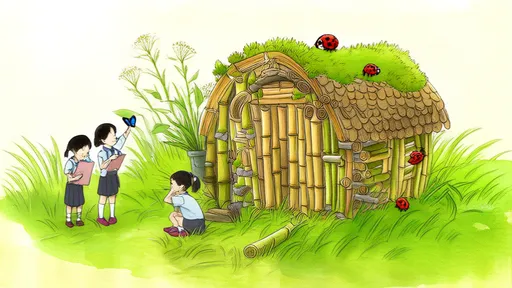
In the heart of the urban sprawl, where concrete often overshadows greenery, a quiet revolution is taking place on university campuses. The installation of "insect hotels"—small, man-made structures designed to provide shelter for pollinators and other beneficial arthropods—has become a cornerstone of urban biodiversity monitoring initiatives. These unassuming wooden structures, filled with hollow stems, pine cones, and drilled logs, are more than just quirky garden decorations; they serve as living laboratories for scientists and students alike.
Biology

Octopus Skin Syntax": Pigment Cells Combine to Convey 30 Signals

By /Aug 18, 2025

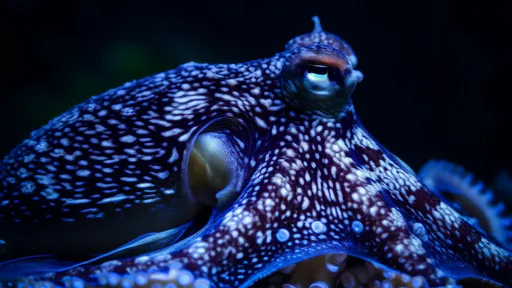
The ocean's most enigmatic communicators may not be dolphins or whales, but creatures with eight arms and color-changing skin. New research into cephalopod communication reveals that octopuses possess a sophisticated "skin syntax" system, where dynamic pigment cell combinations convey at least 30 distinct visual signals. This discovery fundamentally alters our understanding of invertebrate communication and challenges long-held assumptions about the complexity of nonverbal language in the animal kingdom.
Biology

Ant Antimicrobial Rotation: Combating Drug Resistance in Fungal Farms

By /Aug 18, 2025

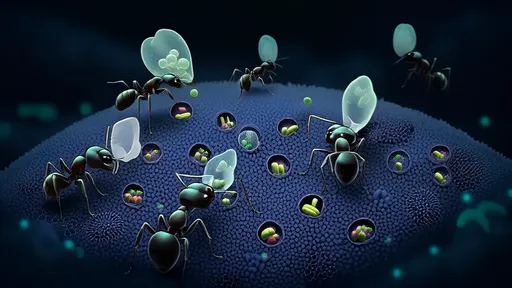
In the dense tropical rainforests of Central and South America, leafcutter ants have perfected an agricultural system that rivals human farming in complexity. These tiny farmers cultivate fungal gardens, their primary food source, with remarkable precision. Recent research reveals a fascinating parallel between their practices and modern human agriculture: the use of antibiotic rotation to combat resistant pathogens. This discovery not only sheds light on the sophisticated strategies of these insects but also offers potential insights for addressing one of humanity's most pressing medical challenges—antibiotic resistance.
Biology

Bee Dance Mathematics": Vector Calculation of Distance to Nectar Source Encoded by Scout Bees

By /Aug 18, 2025

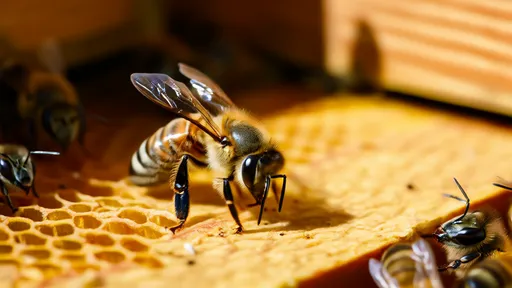
In the intricate world of honeybee communication, few phenomena are as fascinating as the waggle dance. This complex form of symbolic language allows scout bees to convey precise information about the location of food sources to their hive mates. Recent research has uncovered remarkable mathematical sophistication in how bees encode distance and direction in their movements, revealing what scientists now call "dance mathematics."
Biology

Hydrogen Production System by Subsurface Microbial Fissures in the Geothermal Network

By /Aug 18, 2025

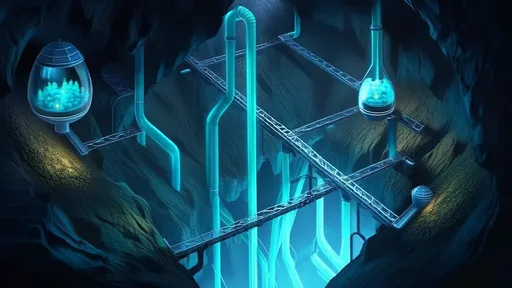
Deep beneath our feet, an invisible revolution is brewing—one that could redefine humanity’s relationship with energy. Scientists are turning their attention to Earth’s crust, where microbial communities in subterranean rock fractures may hold the key to a vast, untapped hydrogen network. This emerging concept, dubbed the "Subsurface Hydrogen Web," challenges traditional notions of energy extraction by harnessing the natural metabolic processes of deep-dwelling microorganisms.
Biology

Acoustically Shielding Whales' Language: Smart Buoys Create Silent Zones for Ships

By /Aug 18, 2025

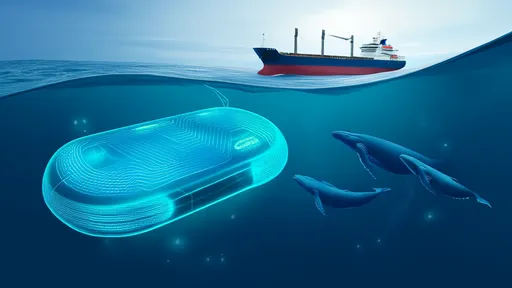
The ocean, once a realm of undisturbed silence, has become increasingly noisy due to human activity. Among the most disruptive contributors is maritime shipping, whose propeller noise and engine rumble travel for miles, interfering with marine life. Whales, in particular, rely on sound for communication, navigation, and hunting. The cacophony of ships has been linked to strandings, behavioral changes, and even population declines. In response, scientists and engineers have developed an innovative solution: the Whale Acoustic Shield, a network of intelligent buoys that create quiet zones for marine mammals.
Biology

Plant Mutual Aid Network: Damaged Trees Transfer Nutrients Through Mycorrhizal Connections"

By /Aug 18, 2025

In the quiet depths of ancient forests, a silent conversation unfolds beneath our feet. Trees, long perceived as solitary sentinels of the woodland, are now understood to participate in an intricate underground network of mutual aid—a phenomenon that challenges our fundamental understanding of plant intelligence and ecological interdependence. This revelation comes not from the leaves or branches, but from an invisible web of fungal threads that transforms individual trees into a cooperative community.
Biology

Eco-Theater Composting": Transparent Cans Showcase the Entire Process of Kitchen Waste Degradation

By /Aug 18, 2025

In an innovative approach to urban sustainability education, a new interactive exhibit dubbed the "Compost Eco-Theater" has been turning heads at environmental centers across several cities. The centerpiece of this exhibit is a series of transparent composting jars that vividly display the entire decomposition process of kitchen waste, from fresh scraps to rich humus. This living installation not only demystifies composting but also serves as a powerful visual metaphor for the circular economy.
Biology

Mobile Microscope: DIY Device for Observing Plankton for Just 20 Yuan"

By /Aug 18, 2025

In the age of citizen science and DIY innovation, a fascinating trend has emerged among amateur microscopists: transforming ordinary smartphones into powerful tools for observing plankton. What began as a niche hobby has now blossomed into a global movement, thanks to an ingenious 20-yuan DIY device that’s democratizing microscopic exploration. This pocket-sized gadget, often crafted from recycled materials, is revealing the invisible world of aquatic microorganisms to anyone curious enough to peer through their phone’s camera.
Biology

Vacuum DNA Origami Shield": Tardigrade Chromosome Folding Technique During Dehydration

By /Aug 18, 2025

In the microscopic world of extremophiles, tardigrades—often called "water bears"—have long fascinated scientists with their uncanny ability to survive conditions that would obliterate most life forms. Recent breakthroughs have uncovered a remarkable mechanism behind their resilience: a vacuum-like "DNA origami shield" that protects their chromosomes during dehydration. This discovery not only rewrites our understanding of tardigrade biology but also opens tantalizing possibilities for biomedical and aerospace applications.
Biology

DNA Musical Code": Translating Base Sequences into Environmental Symphonies

By /Aug 18, 2025

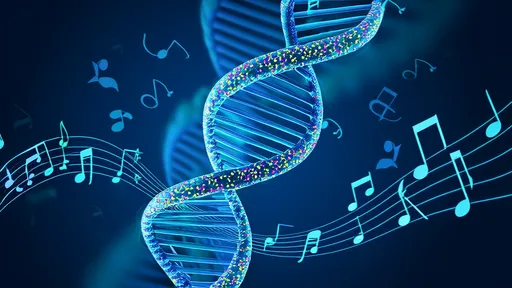
In a groundbreaking fusion of science and art, researchers have developed a method to translate DNA sequences into complex musical compositions, creating what they call "environmental symphonies." This innovative approach not only provides a new way to interpret genetic information but also opens up unprecedented possibilities for understanding the intricate patterns of life through sound.
Biology

Microbial Art War": Visualizing Antibiotic Resistance Experiments

By /Aug 18, 2025

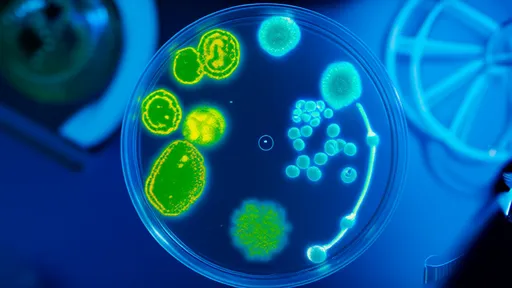
The growing crisis of antibiotic resistance has long been a subject of scientific concern, but a group of researchers and artists have found an unconventional way to bring this invisible threat into sharp focus. By merging microbiology with visual art, they’ve created a striking series of experiments that transform bacterial colonies into vivid, thought-provoking displays. This fusion of science and creativity, dubbed "microbial art warfare," not only captures attention but also serves as a powerful tool for public education.
Biology

Democratic Flight of Birds: Collective Path Optimization Decision-Making Mechanism"

By /Aug 18, 2025

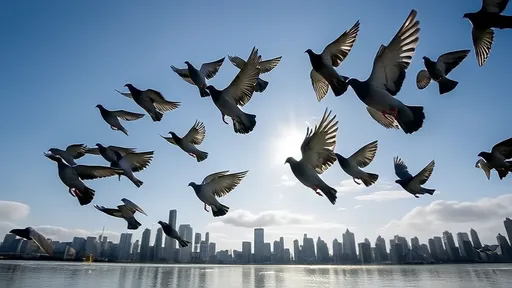
In the vast expanse of the sky, flocks of birds perform breathtaking aerial maneuvers, twisting and turning as if guided by an invisible hand. For centuries, scientists have marveled at their ability to make collective decisions without any apparent leader. Recent research reveals that this phenomenon, often called "democratic flight," is far more sophisticated than previously imagined—a dynamic optimization system where every individual contributes to the group's navigational choices.
Biology

High-Pressure Enzyme Magician": Deep-Sea Enzymes Catalyze Miracles at 2000 atm

By /Aug 18, 2025

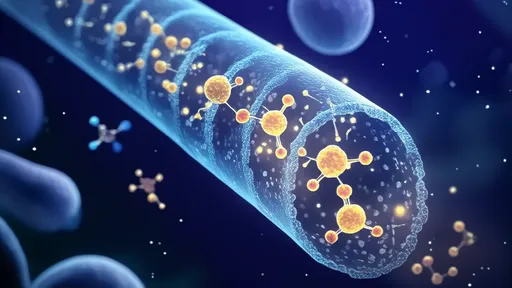
In the crushing darkness of the ocean’s abyss, where pressures soar to 2,000 atmospheres and temperatures flirt with freezing, life not only persists but thrives. Scientists have now uncovered one of its best-kept secrets: a class of deep-sea enzymes that perform catalytic miracles under conditions that would obliterate most terrestrial proteins. Dubbed "high-pressure enzyme magicians," these molecular marvels are rewriting the rules of biochemistry.
Biology

Arsenic-Based Lifeline": A Comprehensive Map of Microbial Arsenic Metabolism

By /Aug 18, 2025

In a groundbreaking discovery that challenges traditional notions of life's biochemical boundaries, scientists have mapped the intricate metabolic pathways of arsenic-utilizing microorganisms. These extremophiles, thriving in environments lethal to most known life forms, have evolved sophisticated mechanisms to exploit arsenic—a toxic element—for energy production and cellular processes. The findings, published across multiple interdisciplinary studies, reveal how arsenic serves as both a lifeline and an evolutionary driver for these resilient organisms.
Biology

Radiation Bio-Battery": Fungi Convert Nuclear Radiation into Chemical Energy

By /Aug 18, 2025

In the shadow of nuclear disasters like Chernobyl and Fukushima, an unexpected biological phenomenon has captured scientific attention: certain species of fungi not only survive intense radiation but appear to thrive by converting it into chemical energy. This discovery, initially observed in the radioactive ruins of Chernobyl’s reactor core, has sparked a revolutionary field of research into radiation-powered lifeforms and their potential applications as biological batteries.
Biology

Coral Frozen Ark": Resurrection of Larvae at -196°C

By /Aug 18, 2025

The world’s coral reefs, often referred to as the "rainforests of the sea," are facing an existential crisis. Rising ocean temperatures, acidification, and pollution have pushed these delicate ecosystems to the brink of collapse. In a race against time, scientists are exploring unconventional methods to safeguard coral biodiversity. One such groundbreaking initiative is the Coral Cryo-Ark—a project that aims to freeze coral larvae at -196°C and revive them in the future, offering a lifeline for species on the edge of extinction.